
The 4 Guiding Pillars That Shape Education At LSBF
At LSBF, we believe that education must continually evolve to meet the changing needs of students, industry and society. As artificial intelligence reshapes the world of work, employers place greater emphasis on practical capabilities, and opportunities increasingly extend across borders, preparing students for the future requires more than academic knowledge alone.
Our Four Pillars of Future-Ready Education articulate our strategic commitment to delivering an education that connects learning with the realities of the workplace, embraces technological advancement, broadens global perspectives and supports career readiness.
Together, these four pillars provide a shared framework for how LSBF positions, develops and delivers its educational experience. They guide our efforts to strengthen industry relevance, respond to technological change, expand global perspectives and support students in translating their education into meaningful opportunities.
Underpinning this approach is our belief that education should empower people not only to succeed in the present, but also to adapt, grow and remain relevant as the world changes. Through these four pillars, LSBF reaffirms its commitment to Transforming Lives Through Education and helping our students become ready for the opportunities and challenges ahead.



Our Pillars In Action
Our 4 pillars
Industry-Relevant Curriculum
Learn what the industry demands.
IBM-Verified Cybersecurity Certificate
University of East London – Cyber Security and Networks
A verified IBM certificate in Cybersecurity Basics achieved by a student, demonstrating foundational cybersecurity knowledge.
This reinforces credibility through recognised credentials and verified cybersecurity learning.
Technology Career Mentoring and Industry Networking
LSBF Singapore – Career Development and Industry Engagement
Students meet employers and technology professionals through Singapore Computer Society mentoring and networking, Women in Technology mentoring and BCS lectures. Sessions cover careers, business analysis and data-driven technology.
Students explore technology careers while building communication, networking, teamwork and stakeholder management skills.
Our 4 pillars
AI-Integrated Learning
Make AI part of how you work.
Gen AI for Data Engineering
University of East London – Computer Science
Students explored the use of Generative AI in data engineering, gaining a clearer understanding of how AI is changing traditional technical roles, preparing them for AI-augmented data and technology careers.

BCS Annual Lecture – Modular LLM-Tool Architecture
University of East London – Computer Science
Students attended the BCS Annual Lecture via Zoom, exploring the emerging concept of Modular LLM-Tool Architecture.
Practical demonstrations, including an automated hardware inventory management system, helped students understand how AI engineering can solve operational problems.

GenAI for Infrastructure & Hardware Configuration Management
University of East London – Cyber Security and Networks
Students explored how GenAI can support infrastructure and hardware configuration management. The activity connected AI with practical IT infrastructure tasks.
Students gain understanding on how AI can enhance infrastructure and IT operations roles.

Gen AI with Kubernetes
University of East London – Cyber Security and Networks
Students explored the use of Generative AI with Kubernetes for diagnostics and deployment.
This provided valuable exposure to technologies increasingly relevant to DevOps, cloud, infrastructure and software engineering careers, building awareness of modern cloud-native and AI-enabled engineering practices.
Singapore Computer Society
University of East London – MSc Computer Science
Students attended a SCS event exploring the application of Artificial Intelligence in public healthcare.
The event helped students understand that AI careers extend beyond technology companies into sectors such as healthcare and public services.
Our 4 pillars
Global Mobility
Take your learning across borders.
Japanese Launchpad Corporate Technology Japan Pavilion
University of East London – Computer Science
Students had the opportunity to gain international technology exposure through the Japanese Launchpad Corporate Technology Japan Pavilion.
This experience helped students understand how technologies studied in their programmes are applied to real organisational and industry challenges.
Asia Summer School
LSBF Singapore – Summer School Programme
The Asia Summer School offers an academic and cultural experience across Singapore and Malaysia, helping students understand Asia’s business landscape.
Participants join a 2-day Career Immersion Programme with Deloitte Singapore, exploring consulting through a case challenge, mock interviews, a CV and LinkedIn workshop, and industry networking.
Global Connect Immersion – Kuala Lumpur
LSBF Singapore – Global Mobility Programme
This four-day programme brings LSBF Singapore students to Kuala Lumpur for campus masterclasses, a visit to Malaysia’s Innovation Hub and a company visit.
Students connect with LSBF Malaysia peers and explore local culture at Merdeka Square and Central Market, gaining a first-hand perspective on study, work and daily life in Malaysia.
International Study Opportunities – London and Singapore
University of Greenwich and University of East London
Students may explore London–Singapore study opportunities, including a one-term exchange for eligible Greenwich MBA Global students and a semester or longer for UEL computing students.
These offer international academic and cultural exposure, subject to programme requirements, institutional approval and agreed arrangements.
Our 4 pillars
Employability
Turn your learning into career readiness.
Industry Exposure at Huawei
University of East London – Computer Science
Students participated in an in-person industry visit to Huawei, gaining first-hand exposure to a leading global technology organisation.
They got to understand how technology knowledge translates into professional roles and industry practice.
NCS Hub VISIT
University of East London – Computer Science
Students visited the NCS Hub Singapore to gain exposure to Singapore’s technology and digital-services ecosystem.
The activity encouraged students to think beyond academic qualifications and consider the capabilities expected by major technology employers.

Cybersecurity Courses & Python-Based Research and Development
University of East London – Cyber Security and Networks
Cyber Security and Networks students participated in learning activities that strengthened their cybersecurity knowledge, python programming capability, research and development skills, practical problem-solving abilities.

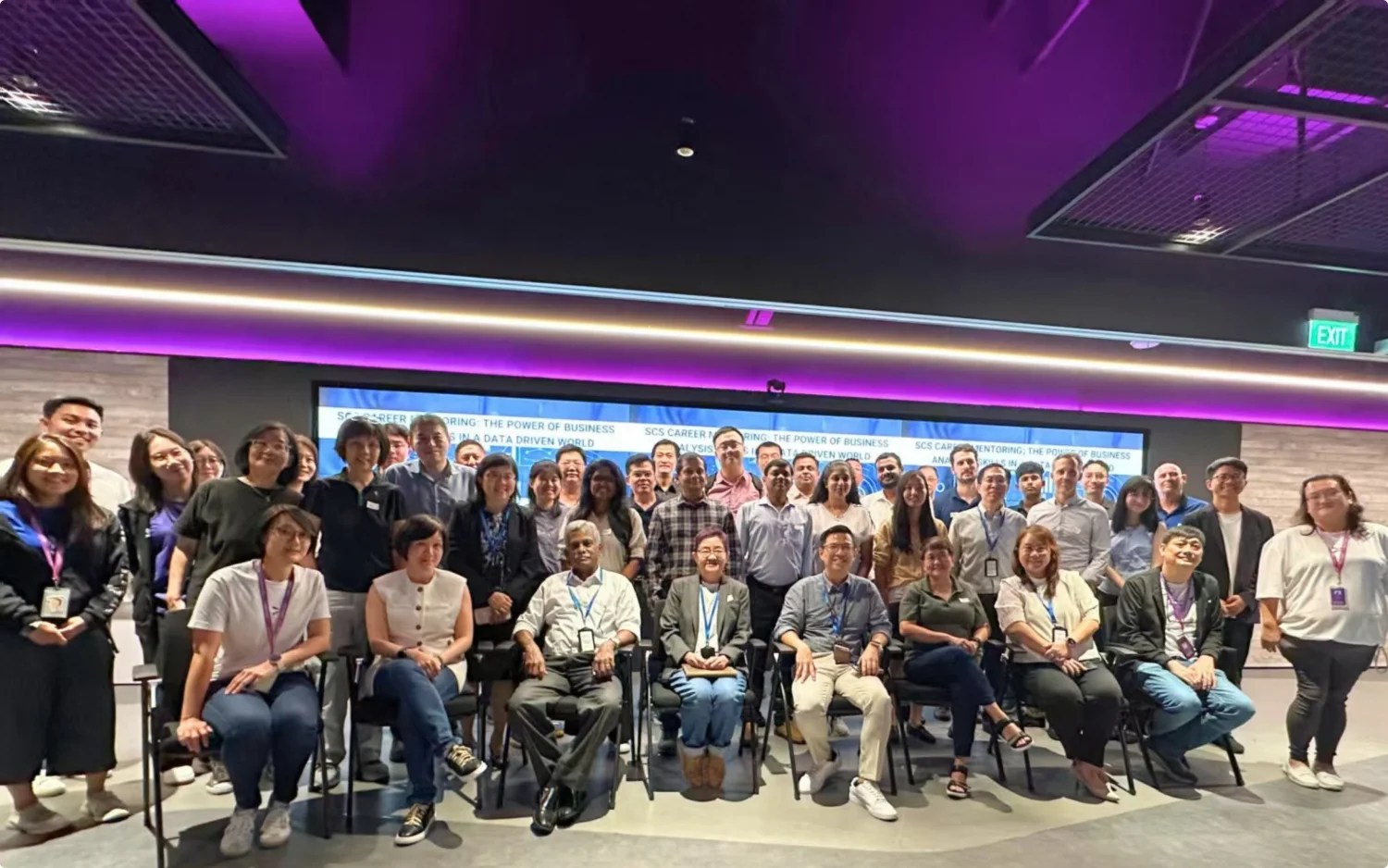
SCS Career Mentoring – “The Power of Business Analysis Skills in a Data-Driven World”
University of East London – MSc Computer Science
Students participated in an SCS Career Mentoring session at Synapxe where they recognised the importance of combining technical capability with communication, problem-solving and stakeholder-management skills.
Students also had opportunities to interact with technology professionals and fellow participants, developing the hybrid technical, analytical and communication skills required in modern technology careers.
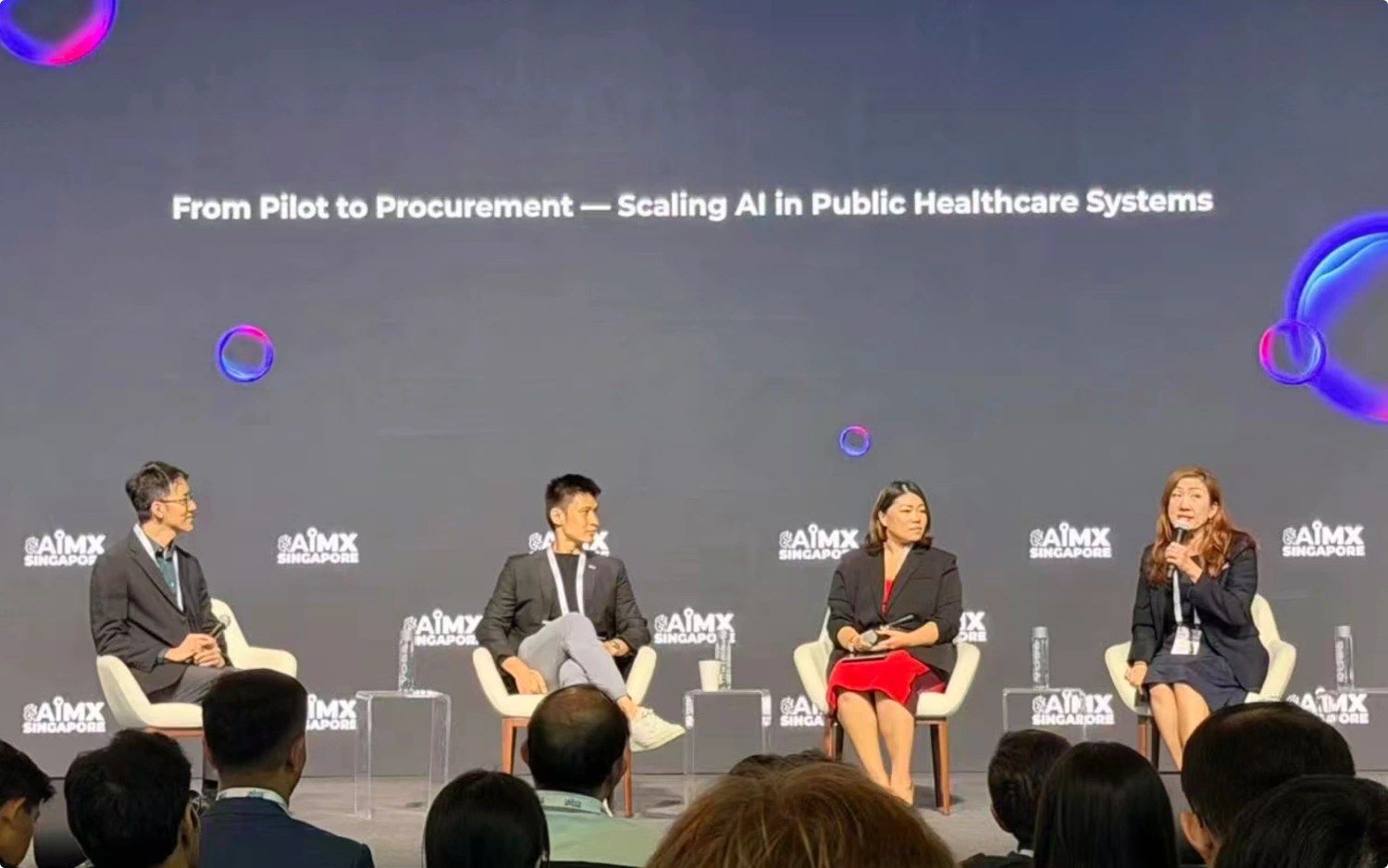
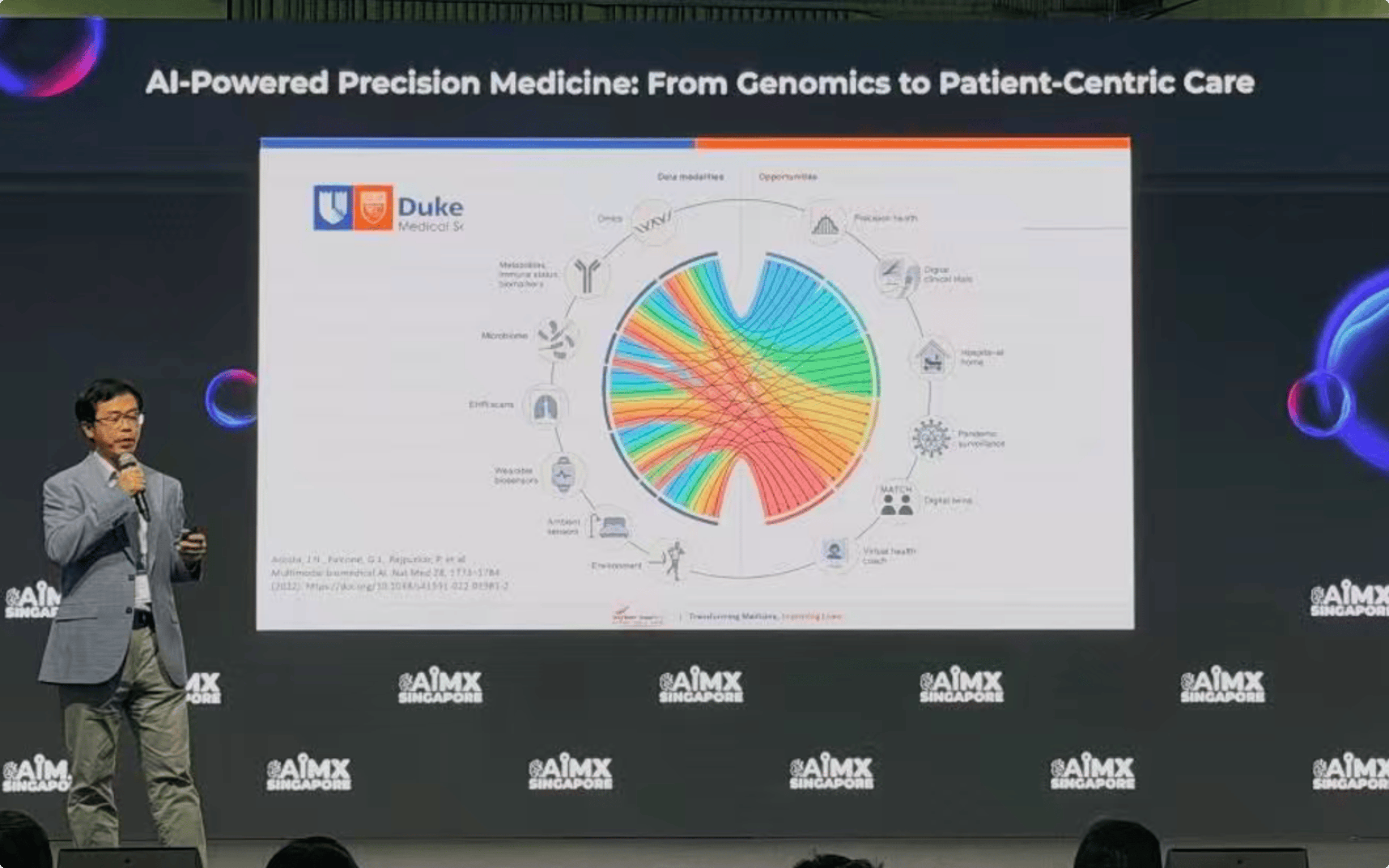
AIMX Singapore
University of East London – Cyber Security and Networks
Students participated in AIMX Singapore, exploring developments across the rapidly evolving AI ecosystem. They were exposed to emerging AI technologies, AI applications across industries, industry perspectives on AI adoption, and Future career opportunities in AI-enabled organisations.
The event encouraged students to consider how AI will reshape professional roles across computing and beyond, developing future-focused awareness of AI careers and emerging technology trends.
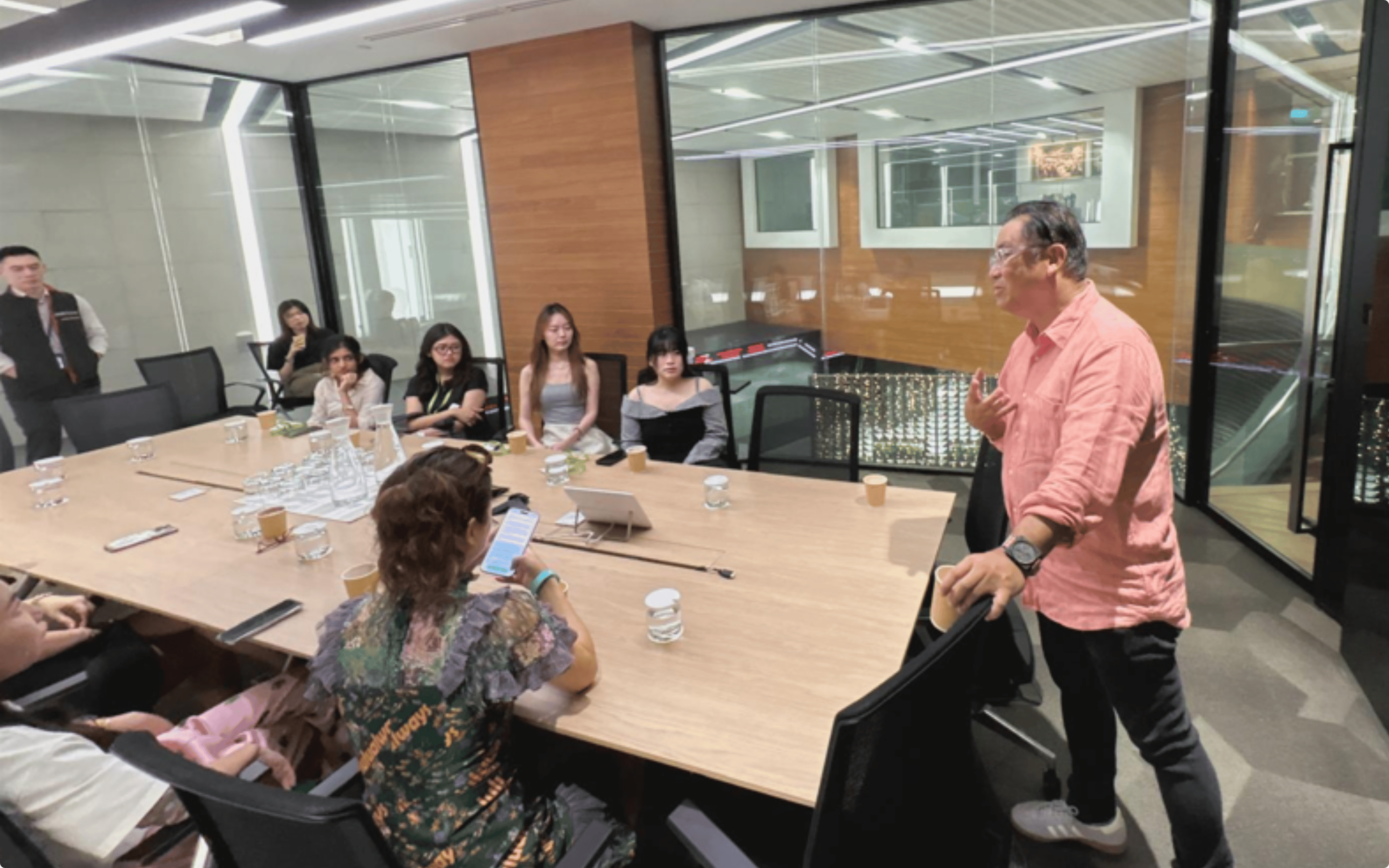
Career Development Sharing Session with Joshua Au
University of East London – MSc Computer Science
Students attended a career-development sharing session led by Joshua Au.
Students gained a better understanding of how technical knowledge can be developed into a sustainable career pathway, helping students make informed career decisions and understand the skills required by technology employers.

SCS Inaugural WITCircle Mentoring Walkathon
University of East London – MSc Computer Science
Female students and aspiring technology professionals participated in the Singapore Computer Society Women in Technology (WIT) initiative.
The initiative provided students with direct access to role models working in the technology sector, building professional confidence, networks, mentoring relationships and awareness of career pathways for women in technology.
Secure House
University of East London – Cyber Security and Networks
The skills they adapted were subsequently relevant to the design and implementation of projects such as Secure House. Students were encouraged to move from theoretical understanding towards applied cybersecurity solutions.
Students Developed practical cybersecurity, programming and applied-research capabilities for security-related careers.